Functions
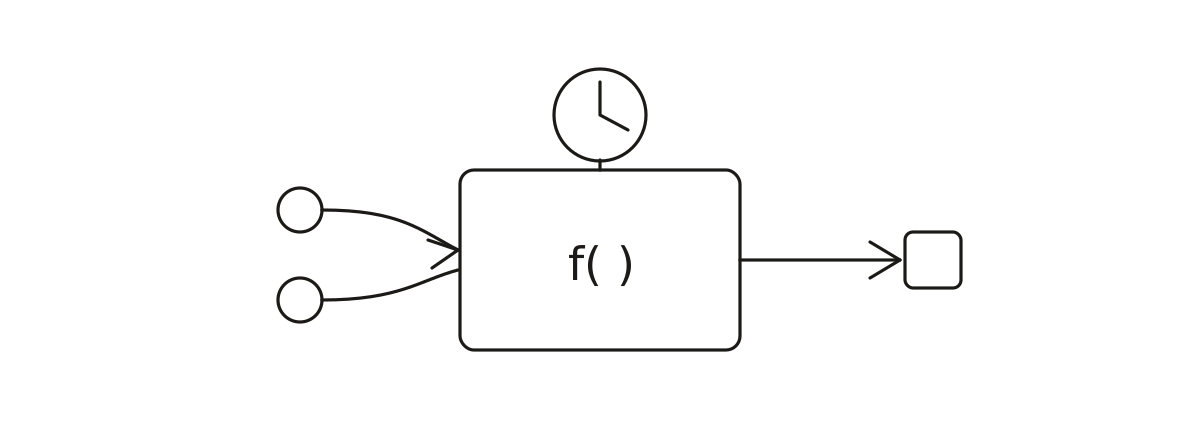
Defects rooted in the contract of a function call: what is passed in, what comes back, and how long the call is allowed to take. A function boundary is a promise between caller and callee, and these entries collect the ways that promise is quietly broken without the compiler objecting.
They span the three sides of that contract. Arguments go wrong when values are supplied that the callee cannot accept or when an overload is resolved against the programmer’s intent, so the wrong code runs on the wrong data; results go wrong when a return value that reports success, failure, or a needed output is discarded; and timing goes wrong when a call that can block indefinitely is made with no timeout, leaving the program to hang on a dependency that never answers.